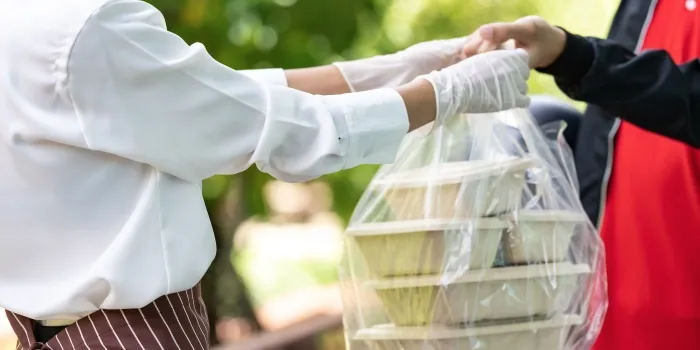

Eating places historically decide foodservice packaging on 5 traits.
- Efficiency
- Look/presentation
- Price
- Ease of use for workers
- Ease of use for shoppers
However issues have modified for the reason that pandemic, says Ashley Elzinga, the Foodservice Packaging Institute’s director of sustainability and outreach. In keeping with a 2020 FPI survey, crucial traits now related to packaging are:
- Client confidence in and assurance of security
- A decrease variety of touchpoints (to scale back dealing with); the less the higher
- Tamper-resistant packages and security modifiers (resembling outer baggage and seals)
- Extra contactless pickup, or something aiding contact-free hand-off
- Packaging suppliers increasing strains to incorporate extra choices, and getting higher at what they already do
- New suppliers getting into the house
- A better expectation of latest, solution-providing choices and supplies
Elzinga shared these findings when she moderated a Nationwide Restaurant Affiliation webinar that includes Susan Miles, director of world sustainability at Yum Manufacturers’ KFC, Kristi Kingery, Tropical Smoothie Cafe Corp.’s vp of provide chain and strategic initiatives, and Missy Schaaphok, senior supervisor of world vitamin and sustainability for Yum’s Taco Bell chain.
“In the case of foodservice packaging, COVID-19 is a development accelerator,” Elzinga says. “These developments—tamper-resistant packaging, lowering the variety of touchpoints—on [handling of them] had been already beginning to turn into a small a part of the market, however now they’ve exploded because of all the drive-thru and curbside pickup, and contactless operations.”
Pandemic creates provide and demand points
Kingery agrees that 2020 was pivotal for packaging.
“Earlier than 2020, a lot of the strategic dialog round packaging was geared towards sustainability and environmental influence, however final March, all the things turned to security and sanitation, and provide safety,” she says. “From a requirement side, the business actually scrambled, turning right into a supplier-focused, emergency replanning and rebalancing train.
“Give it some thought: demand for packaging for theaters and stadiums disappeared, however packaging for hospitals skyrocketed, and establishments that hadn’t relied on packaging—like faculties all of the sudden charged with offering off-premises lunches—created entire new areas of demand.”
She provides that some packaging suppliers offered out their stock and couldn’t meet operator demand. Because of this, provide turned a code-red scenario for some manufacturers, particularly people who wanted it for off-premises supply, their solely life assist for months.
Packaging is the model ambassador
Schaaphok says packaging turned an excellent stronger asset for model advertising. With the rise of digital transactions and off-premises enterprise, packaging served as the primary means eating places bought their model in entrance of shoppers.
“When friends stroll right into a restaurant, they get the visuals—the lighting, décor, temper and music, a totally immersive expertise,” she says. “As soon as we took that have off-premises, packaging served as the one tangible expertise friends had with the model.”
With that in thoughts, the corporate had to consider the feel of the packaging, the sound it makes, the colours, efficiency in sustaining the integrity of the meals and ease of use, she explains, as a result of it could be the one interplay the shopper has with the model off-premises.
Miles agrees that as a result of KFC’s friends didn’t get to see its cooks hand-bread their hen or watch group members fastidiously assemble their meals, packaging was a particularly vital branding device.
“That and the supply driver had been the precise first impressions the shopper had when the meals arrived,” she says. “Packaging contributed to how properly it traveled, what it regarded like when it bought there, the product high quality. We strongly need our packaging to replicate the care we take at our eating places—in getting ready the meals and, hopefully, transporting it. We would like it to be handy and contribute to an general constructive expertise.”
Sustainability again on the plate
Earlier than the pandemic, a number of restaurant and foodservice firms had been adopting sustainable practices, resembling buying compostable and recyclable packaging and lowering meals waste. Schaaphok says that as issues start to return to regular, firms will once more ramp up their sustainability objectives and initiatives.
Clients, particularly millennials and Gen Zs, need eating places to follow sustainability and be socially accountable. As well as, numerous state and native jurisdictions have handed bag and foam packaging bans and restrictions.
Many rules had been on maintain originally of the pandemic, however at the moment are beginning up once more. The FPI’s Elzinga says proper now, there are greater than 150 proposed items of laws in 30 states associated to foodservice packaging.
Schaaphok says all of Yum’s manufacturers are dedicated from a packaging standpoint to supporting forest stewardship; it sources packaging constituted of 100% licensed sustainable fiber.
The corporate additionally has general waste-reduction objectives, together with recycling. She provides that Taco Bell, particularly, is dedicated to leaving a lighter footprint, however that the problem is complicated, particularly relating to packaging, as a result of it has to carry out and performance operationally and in consumer-friendly methods.
“We’ve needed to shift our course within the brief time period through the pandemic. It modified our provide course of, however we’re nonetheless marching in direction of the identical commitments and objectives. And, with in-store eating beginning to reopen slowly, we’re beginning to decide that work up once more.”